2020-2029

HydroGNSS 1 & 2: Launched 2025

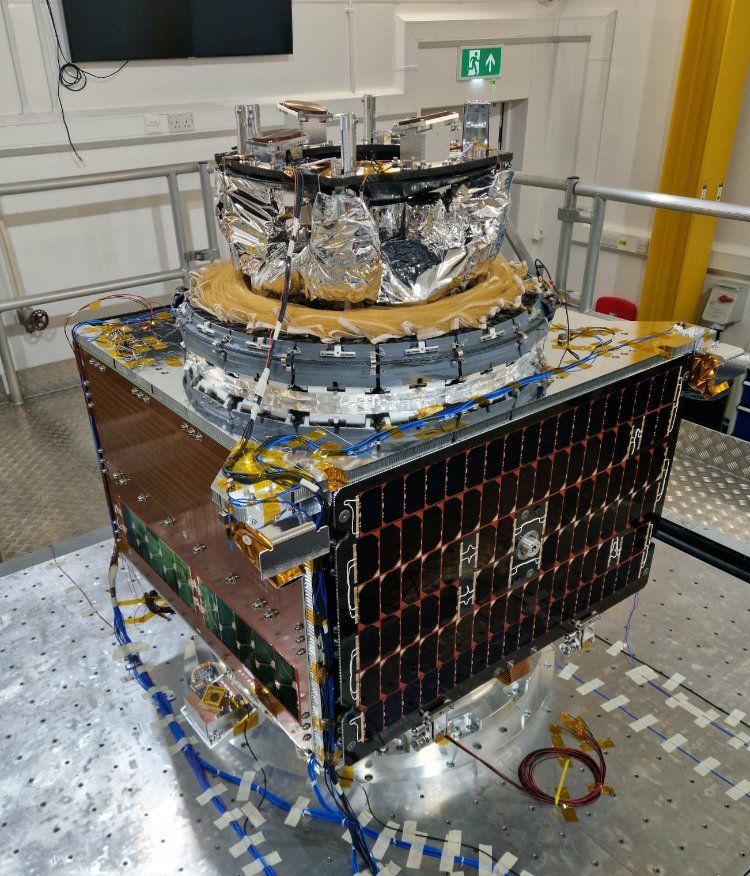
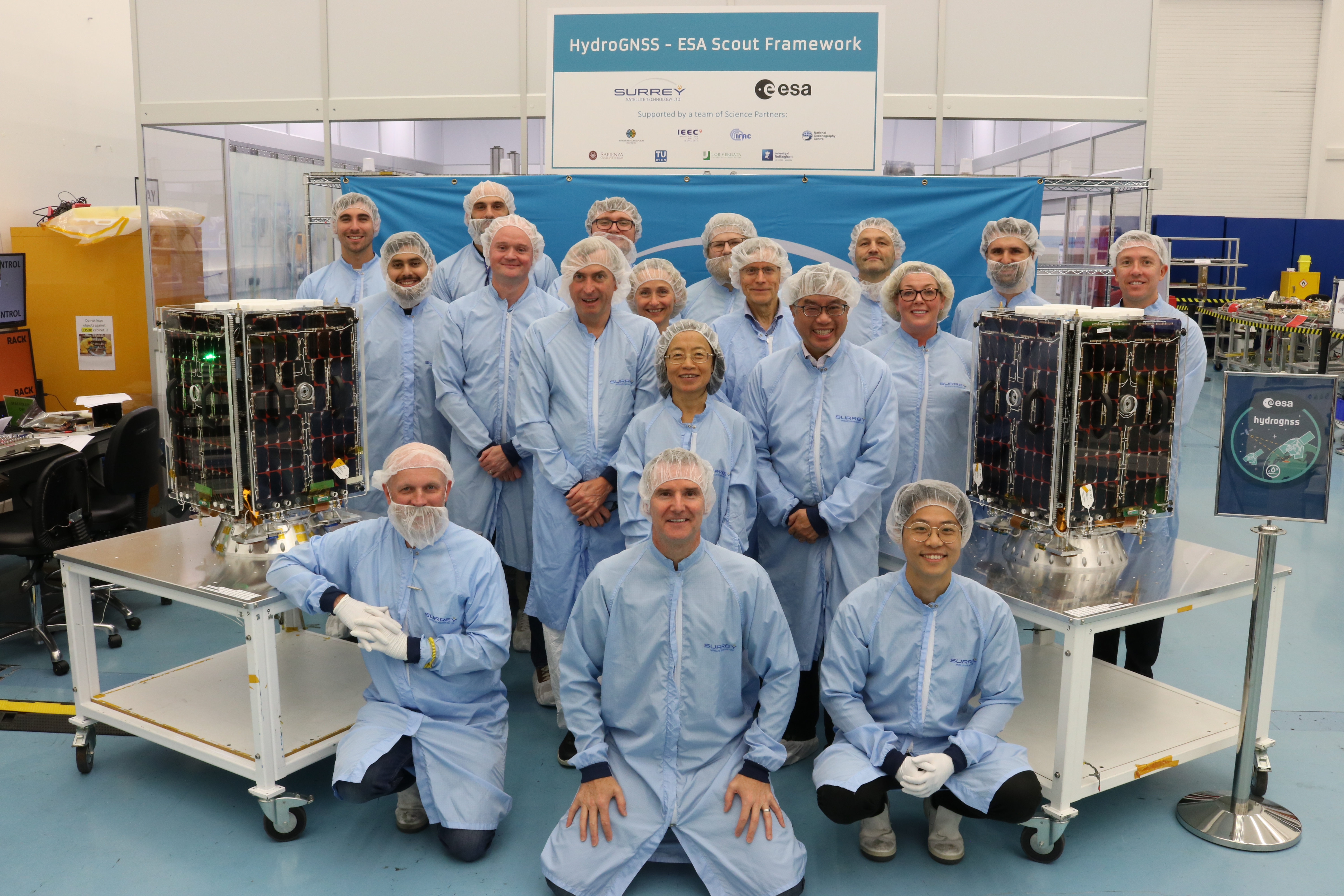
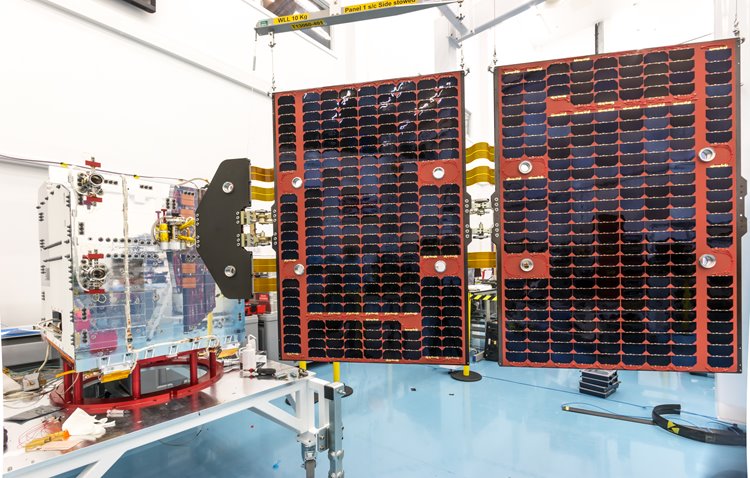
With funding from ESA's Scout programme, SSTL's HydroGNSS 2 x 55kg small satellites will take measurements of key hydrological climate variables, including soil moisture, freeze thaw state over permafrost, inundation and wetlands, and above ground biomass, using a technique called GNSS Reflectometry which exploits existing signals from Global Navigation Satellites, such as GPS and Galileo, as radar signal sources. These signals are reflected off the land, ice and ocean and can be collected by a low power receiver on a small satellite in low Earth orbit, and used to yield important geophysical measurements. HydroGNSS paves the way for an affordable future constellation that can offer measurements with a temporal-spatial resolution not accessible to traditional remote sensing satellites, thus offering new capacity to monitor very dynamic phenomena and helping to fill the gaps in our monitoring of the Earth’s vital signs for the future. The HydroGNSS mission will assist with the fight against climate change by providing valuable measurements using space technology.
View HydroGNSS animation
HydroGNSS Introduction Paper
View HydroGNSS Workshop #1 recordings on YouTube
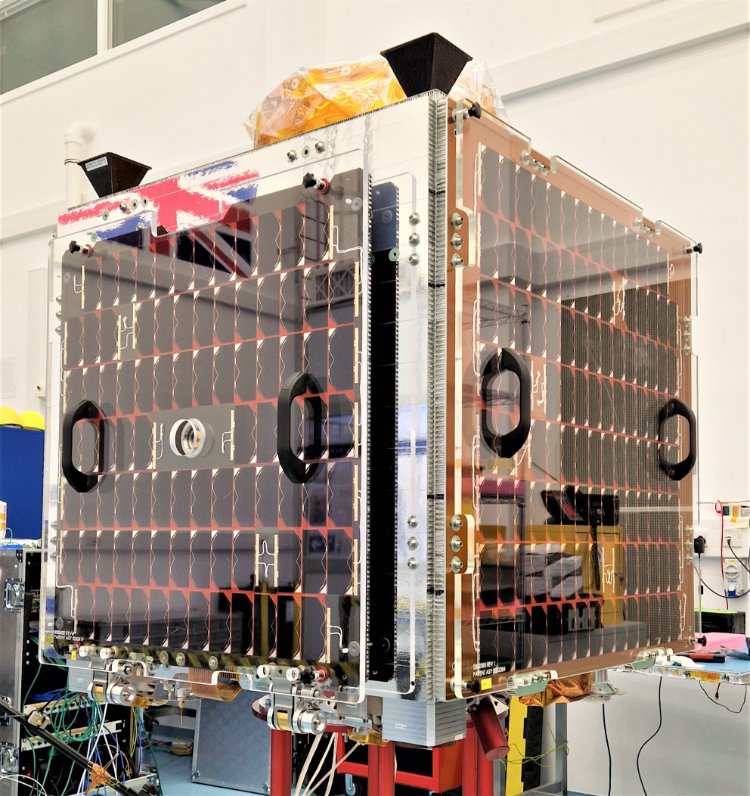
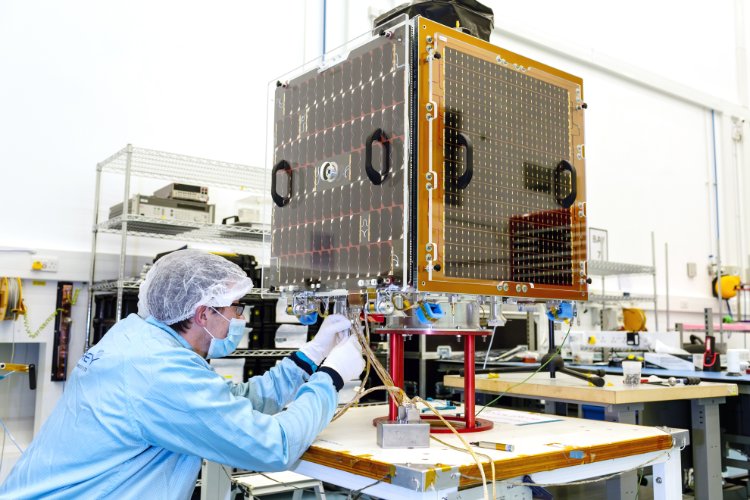
TYCHE: Launched 2024

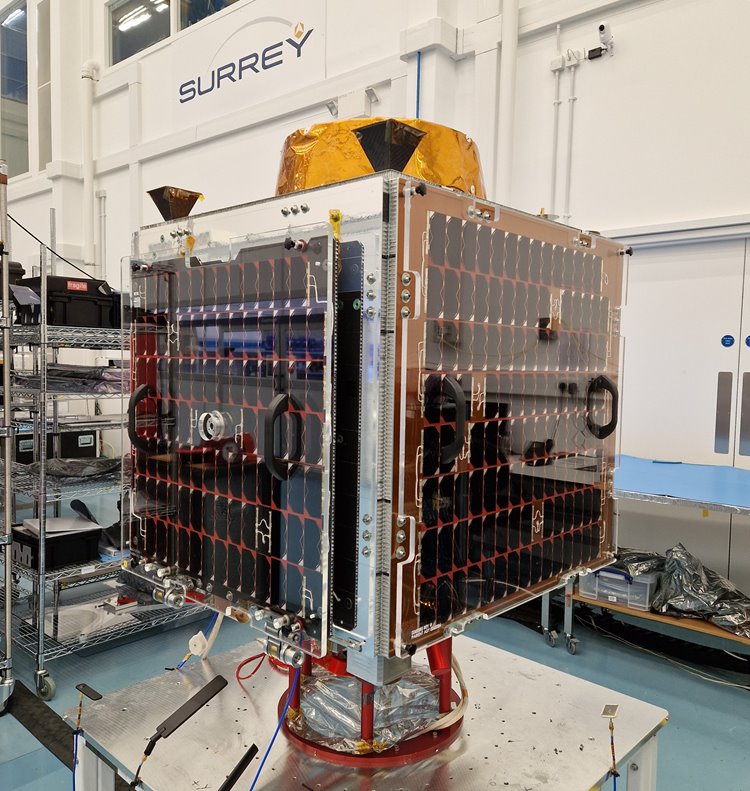
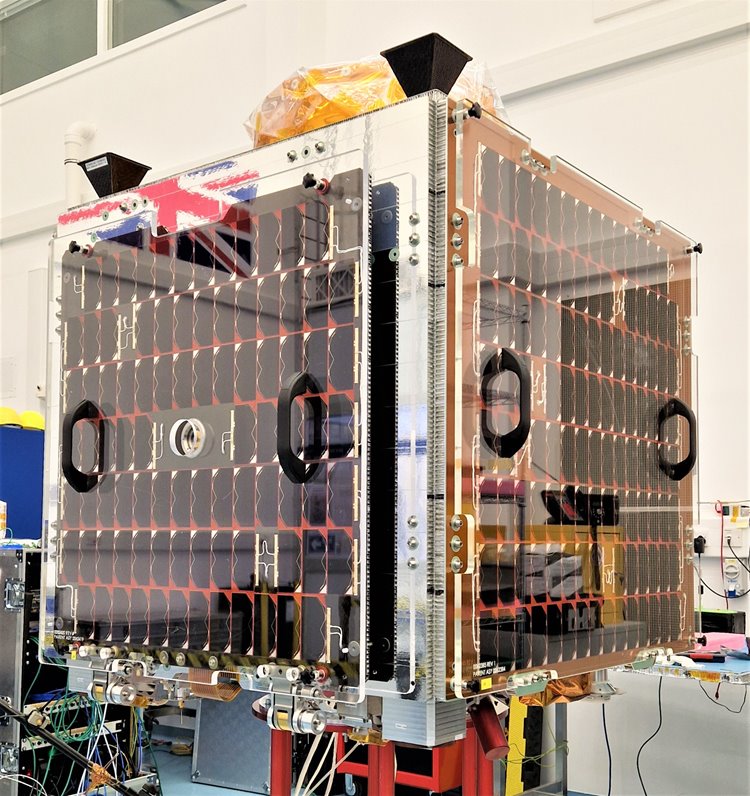
SSTL built this 160kg satellite based on SSTL’s Carbonite+ for UK Space Command. TYCHE is the first satellite procurement for the MINERVA programme which is a key enabler in the development of the foundation for a UK Space-based Intelligence Surveillance & Reconnaissance (ISR) constellation under programme ISTARI.
 

EarthCARE: Launched 2024

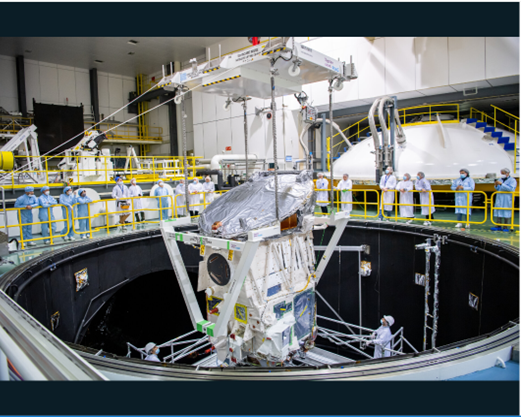
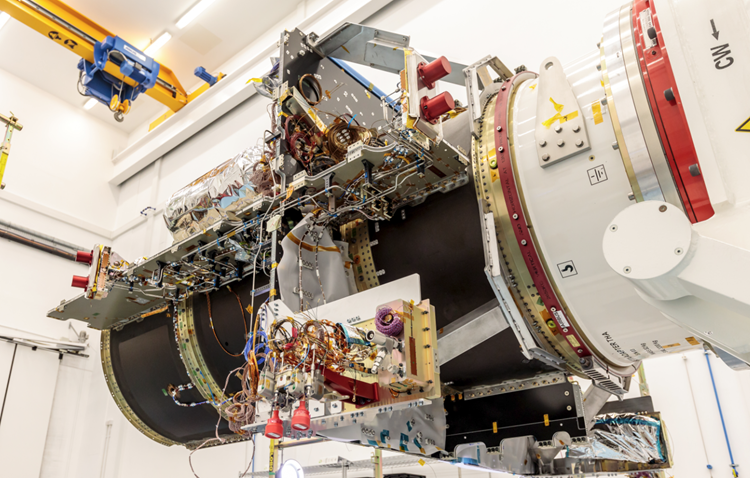
We have supplied a Multi Spectral Imager (MSI) Instrument for the EarthCARE mission, ESA's third Earth Explorer Core Mission. The EarthCARE mission has been specifically defined with the basic objective of improving the understanding of cloud-aerosol-radiation interactions so as to include them correctly and reliably in climate and numerical weather prediction models. EarthCARE will meet these objectives by measuring simultaneously the vertical structure and horizontal distribution of cloud and aerosol fields together with outgoing radiation over all climate zones.

TRITON: Launched 2023

TRITON is an SSTL designed satellite comprising of an SSTL platform and customer furnished payloads.  It was delivered by SSTL as part of the original FORMOSAT-7 constellation, of which 6 satellites were launched in 2019.
TRITON provides an operational meteorological service (through GNSS-R).
 

HOTSAT-1: Launched 2023

Built by Surrey Satellite Technology Limited (SSTL) for UK company Satellite Vu, HOTSAT-1 boasts a ground-breaking 3.5m resolution mid-wave infrared imager with astonishing video capability, all while maintaining a sensitivity of less than 2 degrees Celsius. This unparalleled satellite video generation capability enables the detection of highly dynamic features and the creation of 3D profiles, facilitating a multitude of applications. From mitigating the effects of heat islands in urban centres to monitoring industrial processes, waterway pollution, ensuring energy efficiency, and assessing the health of solar farms, HOTSAT-1 is set to transform industries across the globe.
 

EUTELSAT QUANTUM: Launched 2021

We supplied the small geostationary satellite platform for the first “EUTELSAT QUANTUM” class telecommunications spacecraft.  We were under contract to prime contractor, Airbus Defence and Space, who supplied the flexible payload for the spacecraft.  

EUTELSAT QUANTUM is SSTL's first geostationary satellite platform and the new spacecraft design will represent a first in the commercial satellite industry, by enabling the complete electronic synthesis of “receive” and “transmit” coverages in the Ku-band. 

ELSA-d Client: Launched 2021

SSTL supplied the Client satellite and avionics for ASTROSCALE's inaugral ELSA-d mission, which will simulate capture of orbital debris and is designed to validate key technologies for end-of-life spacecraft retrieval and disposal services.  

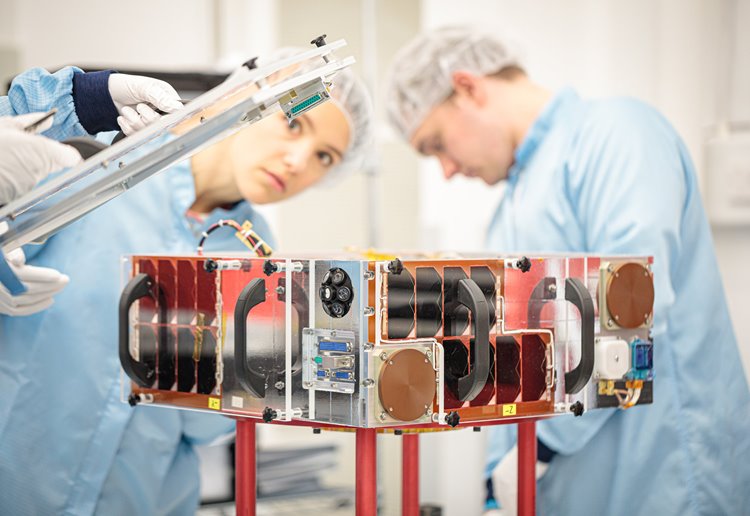
The ELSA-d mission comprises of a "Servicer" satellite and a Client (target) satellite, and will demonstrate key technologies necessary for orbital debris removal such as rendezvous and docking and proximity operations.  ASTROSCALE are designing and manufacturing the Servicer satellite in Tokyo using avionics from SSTL.  

Click here to watch ASTROSCALE's ELSA-d mission animation.

Galileo Navigation Payloads: 2010-2020

Between 2010 and 2020 SSTL manufactured and delivered 34 navigation payloads for the deployment phase of Galileo, Europe's satellite navigation system. 

OHB System AG was the prime contractor and builder of the spacecraft platform and SSTL had full responsibility for the navigation payloads, the brains of Galileo's navigation system.